Introduction
In minutes of crisis, having the ideal tools can indicate the distinction in between Find out more life and fatality. Cardiopulmonary resuscitation (MOUTH-TO-MOUTH RESUSCITATION) is an essential skill that everybody need to discover, particularly given that it can save lives throughout emergency situations. This is specifically real in Australia, where abrupt heart events, sinking cases, and sports-related cardiac arrests are however typical. Past understanding exactly how to do mouth-to-mouth resuscitation, comprehending what necessary CPR devices you need to carry hand is just as important. This write-up delves into the important tools and devices essential for reliable CPR techniques in Australia.
Essential mouth-to-mouth resuscitation Equipment in Australia: What You Need to Have on Hand
When it involves lifesaving measures like CPR, having the appropriate devices conveniently available is an outright need. The following things are essential for anybody seeming prepared for emergency situations:
1. Automated Outside Defibrillator (AED)
An AED is a mobile tool that can examine heart rhythms and deliver an electric shock if needed. It's vital in cases of sudden heart arrest.

- Benefits of AEDs: Quick accessibility to an AED significantly increases survival rates. Where to Locate AEDs: Numerous public locations in Australia are geared up with AEDs, including shopping malls and schools.
How to Utilize an AED? Making use of an AED is straightforward:
2. CPR Masks and Barriers
These devices shield both the rescuer and victim throughout mouth-to-mouth resuscitation.
- Types of Masks: Pocket masks with one-way shutoffs are popular choices.
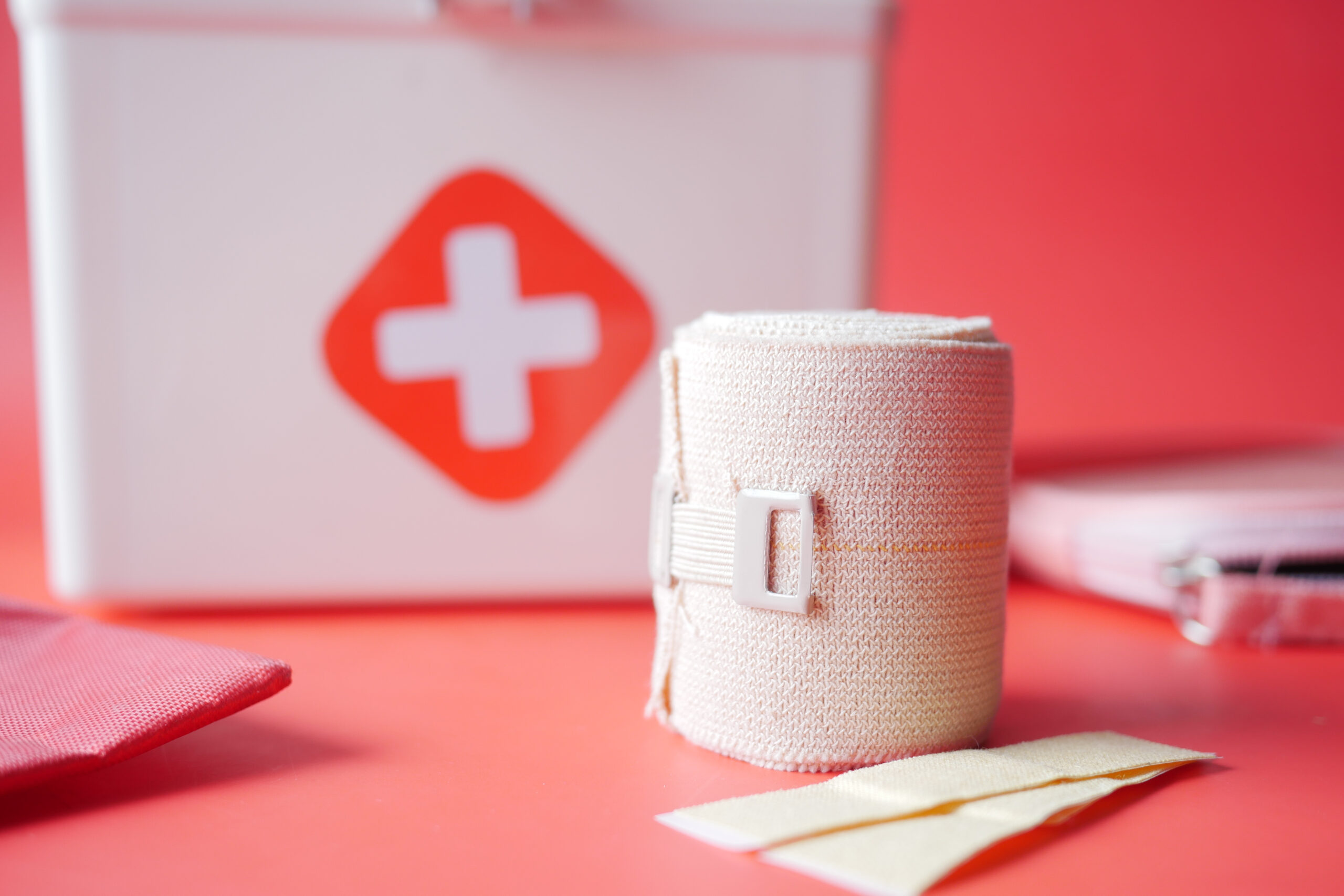
3. First Aid Kit
A comprehensive first aid package must consist of fundamental medical supplies like bandages, antiseptics, handwear covers, and scissors.
- Contents of a Good First Aid Kit: Adhesive bandages Sterile gauze pads Antiseptic wipes Disposable gloves
4. Personal Protective Devices (PPE)
Gloves, masks, and face guards protect against contagious diseases during resuscitation efforts.
5. Educating Manikins
Manikins are necessary for practicing mouth-to-mouth resuscitation techniques efficiently and accurately.
- Importance of Practice: Routine training guarantees readiness when actual emergency situations occur.
6. Online Resources for Training
Accessing on-line programs can assist acquaint yourself with both CPR techniques and the current guidelines.
Understanding mouth-to-mouth resuscitation Techniques
Knowing just how to perform mouth-to-mouth resuscitation effectively can greatly affect its success rate:
7. Exactly how to Do CPR?
CPR entails breast compressions and rescue breaths:
- Compression Depth: The appropriate compression deepness for grownups has to do with 5-6 cm.
Table: Compression Depth Guidelines
|Age Group|Compression Deepness|| ------------------|------------------|| Adults|5-6 cm|| Youngsters (1-8)|4-5 cm|| Infants (<< 1 year)|3-4 centimeters|</p>
8. Infant Mouth-to-mouth Resuscitation Technique
This technique differs considerably from grown-up procedures due to the delicacy of infants:
- Use two fingers for compressions at a deepness of about 3-4 cm.
9. Advanced Resuscitation Skills
For healthcare providers or those pursuing innovative training, skills such as intubation or IV therapy might be necessary.
Special Situations in CPR
Certain scenarios need modified techniques or additional considerations:
10. Sports-Related Heart Arrests
Athletes may experience heart events in different ways as a result of physical exertion.
11. Sinking Victims
CPR techniques may need modification based on water breathing effects:
- Focus on rescue breathing before chest compressions.
Household mouth-to-mouth resuscitation Readiness
Being prepared at home can conserve lives during emergencies:
12. Producing a Family Members Emergency Situation Plan
Discuss emergency protocols with family members regularly.
13. Keeping Crucial Equipment
Keep your first aid set, AED, and other important equipment easily accessible at home.
Workplace Emergency Plans
Every office must have a clear method relating to heart emergencies:
14. Creating Workplace Guidelines
Establish clear procedures for team member to comply with during an emergency circumstance involving heart arrest.
Local Resources for Training and Certification
Taking activity begins with education:
15. Local CPR Courses in Australia
Many companies offer courses customized to different audiences-- be it parents or health care professionals.
List of Organizations Offering Classes
- St John Ambulance Red Cross Australia
16. On The Internet Mouth-to-mouth Resuscitation Qualification Courses in Australia
Online options make it easier than ever before to learn crucial lifesaving abilities at your own pace.
Understanding Qualification Validity
Keeping your skills existing is just as vital as knowing them originally:

17. Mouth-to-mouth Resuscitation Certification Credibility in Australia
Most certifications call for revival every three years; check private program requirements for details.
FAQs
Q1: Exactly how usually should I refresh my CPR training?
It's a good idea to refresh your skills every one to 2 years as a result of updates in standards or techniques.
Q2: Can anybody carry out CPR?
Yes! Anyone can perform hands-only CPR despite their qualification condition; nonetheless, trained people will certainly be more effective.
Q3: What's the distinction in between adult and infant CPR?
The primary distinction hinges on compression deepness and method made use of; grown-up compressions are much deeper than baby compressions because of dimension differences.
Q4: Do I need special equipment for doing infant CPR?
Not necessarily-- conventional first aid packages suffice; nevertheless, knowledge concerning correct methods is crucial.
Q5: Is it necessary to use rescue breaths throughout CPR?
While hands-only compression has been revealed effective for grownups experiencing out-of-hospital cardiac arrests, rescue breaths stay vital during particular circumstances like sinking cases or pediatric emergencies.
Q6: Where can I find regional classes or accreditation options?
Inspect recreation center or organizations like St John Rescue or Red Cross; they often offer courses throughout Australia!
Conclusion
Being prepared with vital CPR devices not just encourages people yet additionally fosters an area all set to respond properly throughout emergency situations. With resources readily available throughout Australia-- from local classes to on-line accreditations-- there's no excuse not to equip yourself with these lifesaving skills. Remember that discovering just how to do effective CPR implies being positive about security-- not just for ourselves however also for those around us that may eventually rely on our readiness during a moment of crisis!
First Aid Pro | First Aid Course Perth (RTO 31124) is one of Australia’s leading providers of accredited First Aid and CPR training. We specialise in Basic Life Support, CPR & First Aid, NDIS HISS, AED, and many other accredited courses. Our training is both convenient and comprehensive, combining online and face-to-face learning options to suit your needs. Keep your first aid certificates up to date with same-day certification upon completion. Plus, find a lower price, and we’ll instantly beat it by 10%! Conveniently located at 195 Adelaide Terrace, Perth, WA 6004. Visit our website for course dates, directions and parking details.
First Aid Pro | First Aid Course Perth (RTO 31124) is a nationally recognised leader in First Aid and CPR training. Our Perth training centre delivers accredited courses including CPR, Basic Life Support, AED, NDIS High Intensity Support Skills (HISS), and comprehensive First Aid certifications. We make training flexible and convenient with a blend of online learning and practical, face-to-face classes. Get same-day certification so you can stay compliant and confident in emergencies. Plus, with our Price Beat Guarantee, if you find a lower price, we’ll beat it by 10% on the spot. Located at 195 Adelaide Terrace, Perth, WA 6004, our venue is central, easy to access, and designed for a great learning experience. Visit our website to check course dates, directions, and parking details.